

As cyber threats evolve, so do the risks facing video communications. AI-enabled impersonation, unauthorized access, and exposure of sensitive meeting data are raising new questions about how organizations protect their most critical conversations.
Here, we explore the key cybersecurity considerations for protecting video communications and what organizations should look for in a secure video conferencing solution.
Why is cybersecurity so important now?
- What are the most important data security considerations regarding video conferencing?
- How to choose the right secure video conferencing provider
- Building a stronger security foundation for video communications
Why is cybersecurity so important now?
Artificial intelligence is giving cybercriminals new ways to deceive people, gain unauthorized access, and compromise sensitive information. For video communications, AI-generated deepfakes and voice cloning can be used to impersonate trusted individuals, potentially influencing decisions, exposing confidential information, or facilitating fraud. Meanwhile, threats such as unauthorized access, data interception, and service disruption remain serious concerns.
The consequences can be significant. In one widely reported case, engineering firm Arup lost approximately $25 million after an employee was deceived by a fraudulent video call featuring deepfake impersonations of colleagues.
Cyber and AI expert Guy-Philippe Goldstein examines these emerging risks in his independent report, Video collaboration platforms in the cyber-AI era. His research highlights why organizations need to reassess how they protect their most critical conversations.
What are the most important data security considerations regarding video conferencing?
Video conferencing security requirements depend on the sensitivity of the conversations, who is participating, and the potential consequences of a breach. For organizations handling sensitive or classified communications, or relying on video for operational resilience, three areas of risk deserve particular attention:
-
Exposure of intellectual property and confidential information. Unauthorized access to discussions involving patents, design, development, and other sensitive or business-critical information can have serious commercial consequences.
- Exposure of meeting metadata. Call logs and meeting records can reveal who communicated, when, and how frequently. Even when meeting content is encrypted, this information may expose confidential business activities, such as mergers and acquisitions, or sensitive patterns of communication within government and defense organizations.
- Unauthorized meeting access and impersonation. Uninvited participants, compromised credentials, and AI-generated impersonations can allow malicious actors to access sensitive discussions, gather intelligence, or manipulate decisions.
Protecting against these risks requires several layers of security, including encryption, identity verification, access controls, and appropriate management of meeting data.
Learn more in The Complete Guide to Encrypted Video Conferencing.
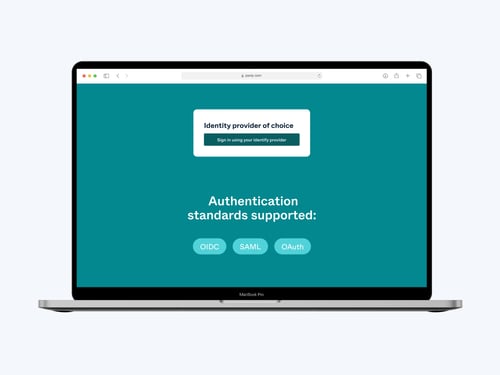
A zero trust approach adds another layer of protection by requiring users and devices to be verified and access to be controlled according to security policies. Explore our Zero Trust whitepaper.
How to choose a secure video conferencing provider
Choosing a secure video conferencing solution means understanding how the platform protects sensitive communications and how much control your organization has over its infrastructure and data.
For organizations with strict security requirements, deployment flexibility is particularly important. Self-hosted solutions can provide greater control over video infrastructure, including the ability to operate on private networks without relying on the public internet.
Pexip offers flexible deployment options, including self-hosted environments, allowing organizations to align video communications with their security policies, regulatory obligations, and operational requirements. Combined with access controls and integration with existing security architectures, this helps organizations protect sensitive conversations while maintaining the ability to collaborate.
Building a stronger security foundation for video communications
As threats evolve, organizations need confidence that their video communications can withstand new risks without compromising security or operational continuity.
For those handling sensitive or mission-critical conversations, the right platform can make a significant difference. Pexip gives organizations the flexibility and control to secure their communications according to their specific requirements.
Explore Pexip Secure Meetings and learn how to protect your critical conversations.
Originally published April 19, 2022.
- Secure collaboration
- Secure Meetings