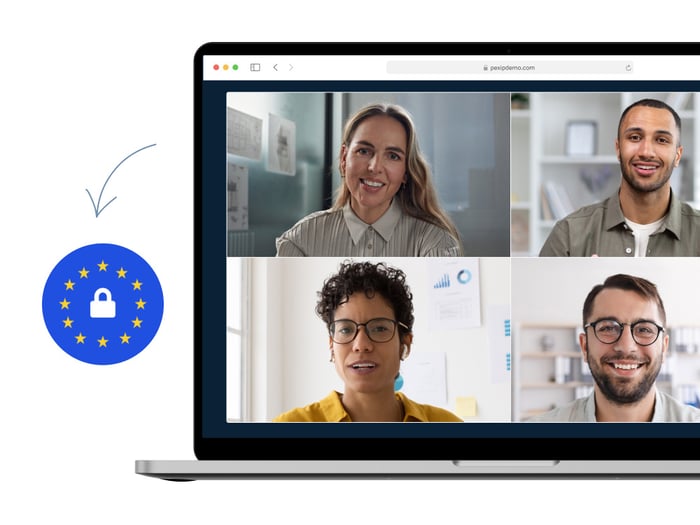


Video has changed the game when it comes to how organizations and people interact. Today, more healthcare consultations, social services casework, legal hearings and government meetings are taking place over video than ever before. However, many of these conversations involve sensitive personal data, which places strict requirements on the privacy and compliance of these meetings.
In Europe, these types of conversations are subject to GDPR-compliance, which means organizations must understand where their data is stored, who controls the environment, how data is processed, and which laws may still apply.
What GDPR means for video conferencing tools
When evaluating the compliance of a video solution, an organization must look at all data generated, including audio and video, as well as participant identities, meeting metadata, recordings, chat logs, and shared files. All of this may be considered personal data and must be handled in line with GDPR requirements.
That makes it important to look beyond the user experience of a platform and understand how it is built, operated, and governed.
Consider how and where your video conferencing solution is hosted
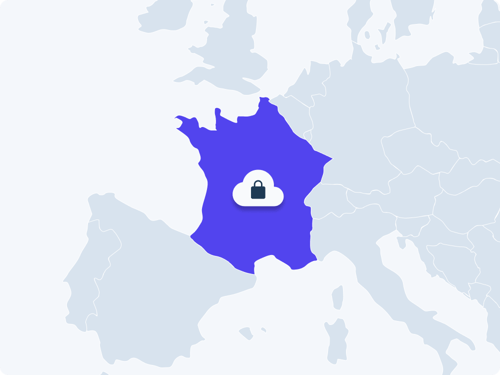
For European organizations, hosting location remains an important part of GDPR compliance. If a video conferencing solution transfers or stores data outside the EU, organizations must ensure that the destination provides an equivalent level of data protection under GDPR.
But hosting location alone doesn’t give you the full picture.
A service can be hosted in Europe and still be subject to non-European laws. Cloud services in the US and other non-EU regions may fall under laws such as the U.S. Foreign Intelligence Surveillance Act (FISA) Section 702, which can create legal obligations around data access that conflict with European expectations around privacy and control.
Because of this, more public sector and regulated organizations are re-evaluating how they host critical communication. Greater control over where the service runs, how it is operated, and who can access it can help reduce compliance risk and strengthen data sovereignty.
Know what your video conferencing provider does with your data
Organizations aiming for GDPR-compliance also need to understand how their data is processed, transmitted, and governed.
Think of a doctor discussing test results with a patient, or a social worker handling a sensitive family case over video. These are deeply personal conversations. In these situations, it matters whether meeting metadata is retained, where data travels, and who has access to logs or recordings.
GDPR requires organizations to ensure that their data processors, including video conferencing providers, handle personal data responsibly and transparently.
Key questions to ask your video conferencing provider:
- What happens to meeting metadata? Metadata such as participant names, timestamps, and meeting details may also be considered personal data under GDPR.
- How is data transmitted and routed? Even if hosted in Europe, data may pass through infrastructure or systems outside the EU.
- Who has access to recordings, logs, and shared content? Organizations need clarity on who can access sensitive information and under what conditions.
- Does the provider share data with third parties? GDPR requires transparency and limits the use of personal data to agreed purposes.
GDPR compliance requires visibility and control
For organizations handling sensitive communication, GDPR compliance depends on understanding the full lifecycle of the data involved in a meeting. That includes where data lives, how it moves, who governs access, and whether the deployment model aligns with internal policies and regulatory requirements.
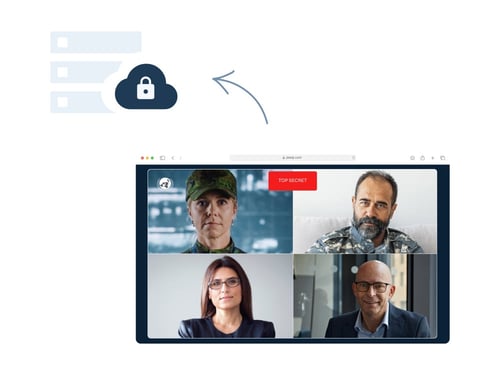
This is especially important in sectors like government, healthcare, and justice, where confidentiality and trust are central to the work being done.
When evaluating a video conferencing platform, look for solutions that offer flexible deployment options, provide transparency around data processing, support strong access controls, and align with both GDPR requirements and broader sovereignty expectations.
By choosing a compliant solution, companies can safeguard personal data, build greater trust with their stakeholders, and avoid any potential regulatory penalties.
- Government
- Enterprise
- Secure collaboration
- Secure Meetings
%20header.jpg?width=500&name=Secure%20meetings%20Pillarpage%20(primary%20solition)%20header.jpg)